

Italy
Naples / Campania
1905-1909


Naples & Campania (1905–1909)
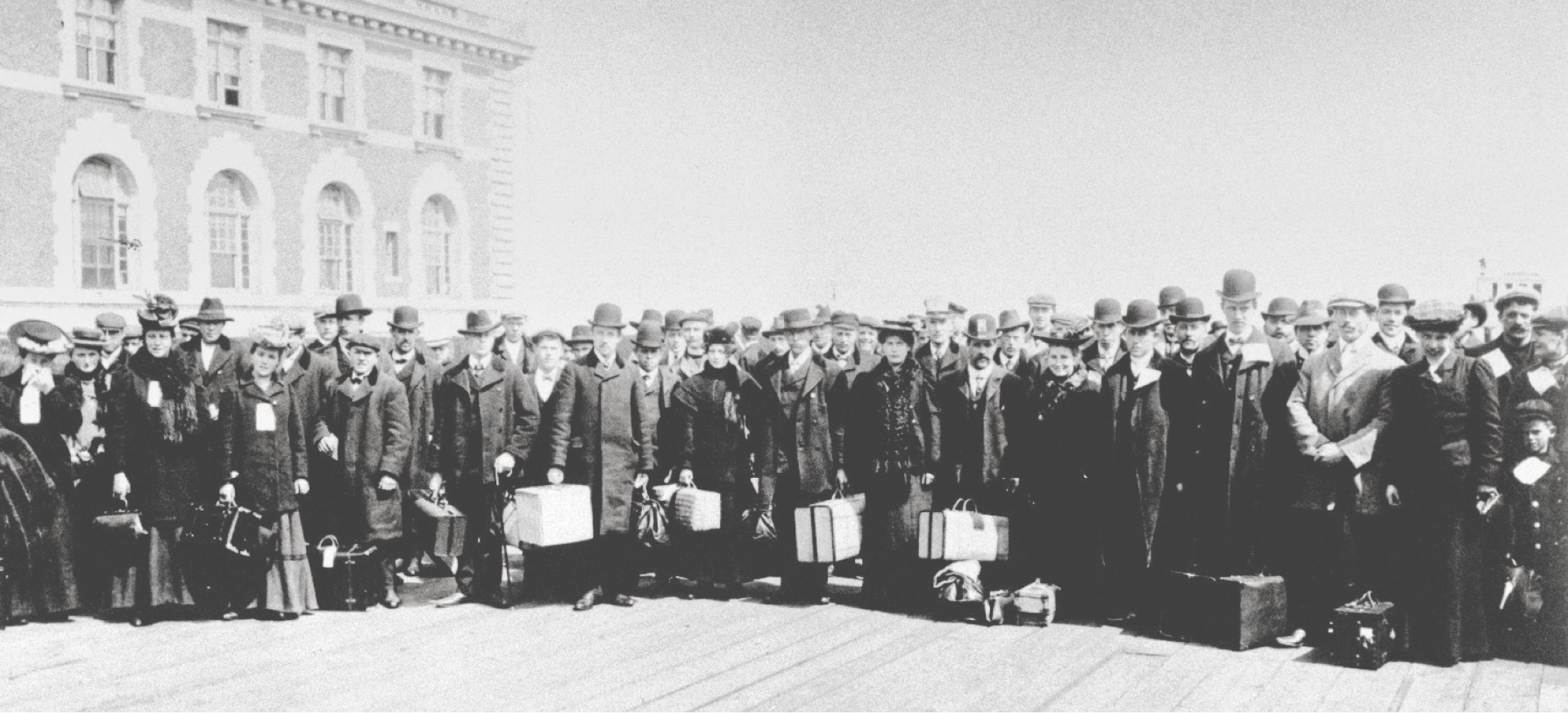
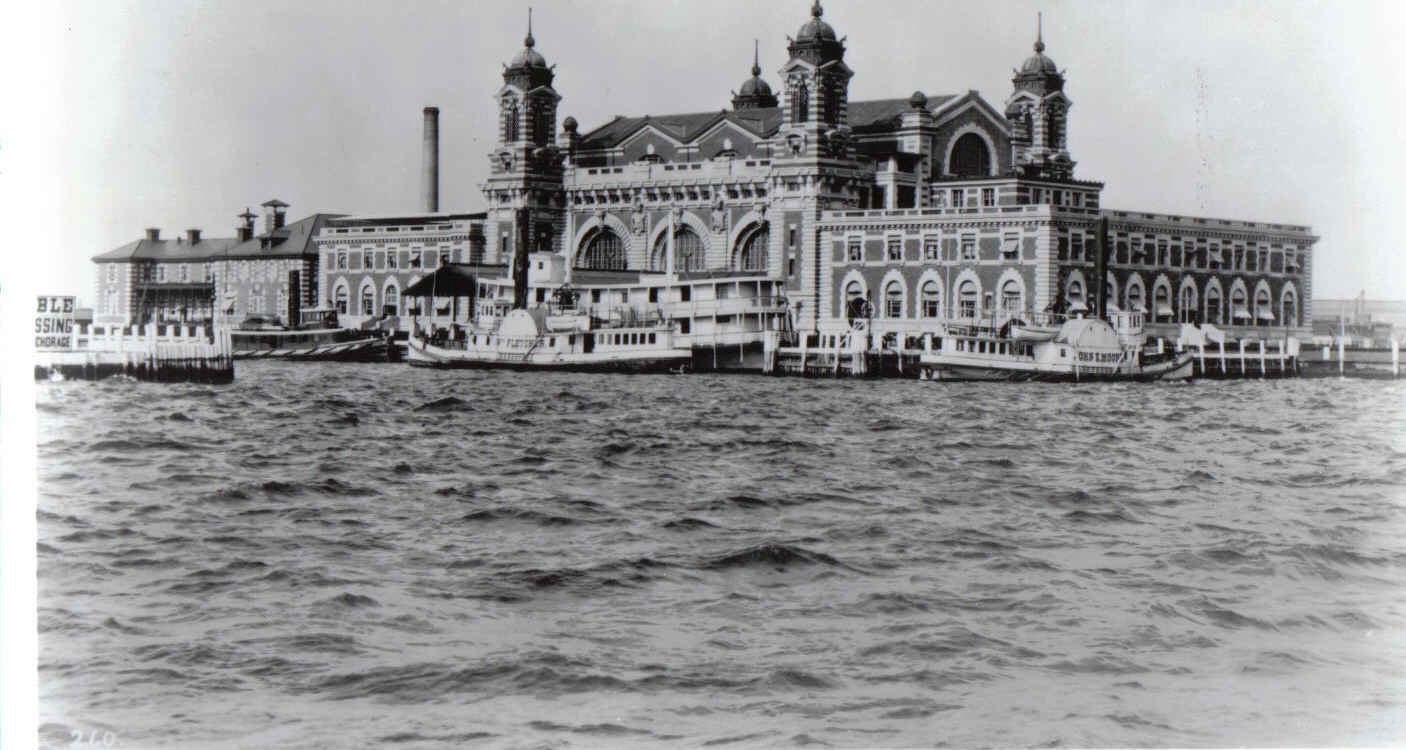
Naples and the surrounding region of Campania were among the most important sources of immigration to the United States during the early twentieth century. Between 1905 and 1909, hundreds of thousands of Italians left southern Italy in search of opportunities they believed could not be found at home.
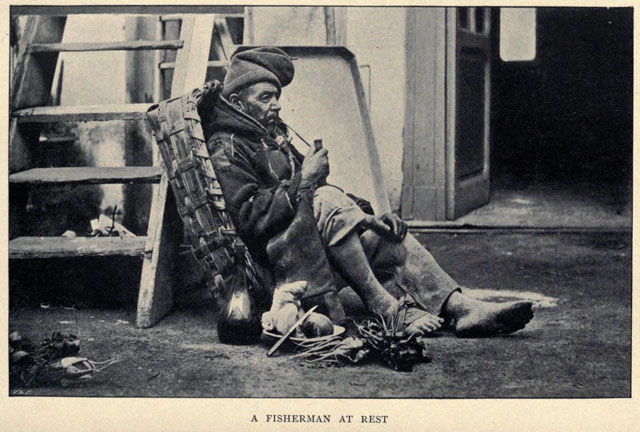
Italy had been unified for only a few decades, and the benefits of that unification were not felt equally across the country. While northern Italy was becoming more industrialized, much of the south remained dependent on agriculture. In Campania, many families worked small plots of land, fished along the coast, or relied on seasonal labor. Wages were often low, jobs could be uncertain, and economic opportunities were limited for many working-class families.
Population growth placed additional pressure on already scarce resources. Families were often large, but land holdings were small and frequently divided among generations. For many young adults, especially young men, there was little prospect of owning enough land or earning enough income to establish a secure future.
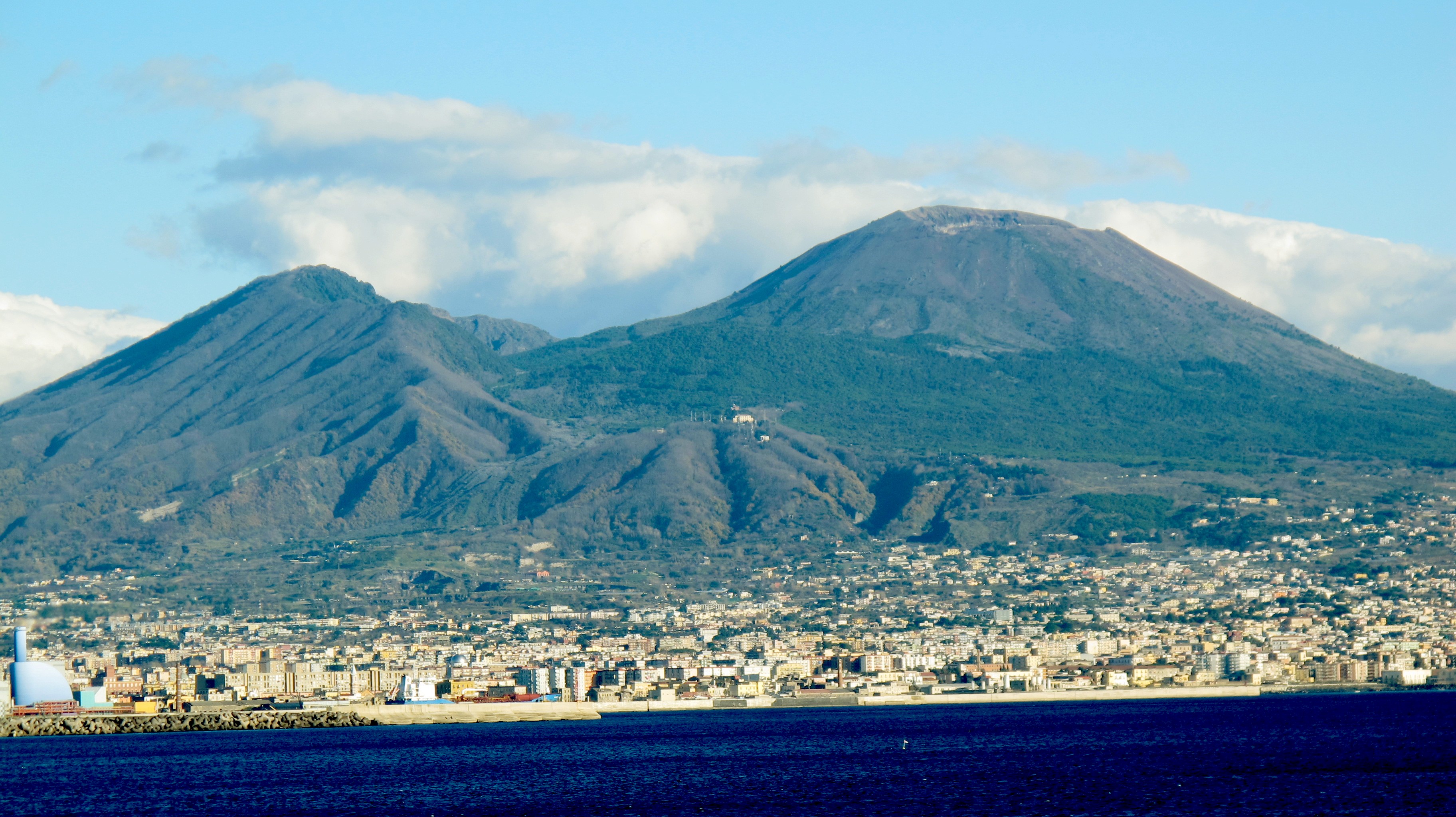
These chronic economic pressures were catastrophies compounded by nature. In April 1906, Mount Vesuvius violently erupted in its most destructive volcanic event in over two centuries. The eruption devastated nearby towns, collapsed structures, and buried Campania's extraordinarily fertile agricultural plains under heavy layers of toxic volcanic ash. For countless families who were already living on the margins, the sudden destruction of their crops, vineyards, and homes transformed a difficult economic struggle into an immediate humanitarian crisis, forcing thousands of displaced residents to look across the Atlantic for survival.
At the same time, the United States was experiencing rapid economic growth. New factories, railroads, mines, and construction projects created a strong demand for labor. Letters from relatives and friends who had already settled in America described wages that often seemed impossible to earn in southern Italy. These letters, along with money sent home, helped encourage additional migration and created what historians call chain migration, where family members followed those who had already made the journey.
Naples played a central role in this movement. As one of Italy's largest cities and most important ports, it became a departure point for countless immigrants heading to North America. Steamship travel had become faster, safer, and more affordable than it had been a generation earlier, making transatlantic migration possible for ordinary working families.
The decision to leave was rarely simple. Immigrants often departed with the expectation that they might never see their hometown, relatives, or familiar way of life again. Some planned to work in America temporarily and return home with savings. Others hoped to build entirely new lives and eventually bring family members across the Atlantic.
Many of those who left Campania during these years settled in cities such as New York, Newark, Philadelphia, Boston, and Chicago, where growing Italian communities provided familiar language, traditions, and support networks. These neighborhoods helped newcomers adjust to life in a new country while maintaining connections to the culture they had left behind.
If your ancestor came from Naples or the Campania region between 1905 and 1909, they were part of one of the largest migrations in modern history. Their journey was shaped by the challenges of life in southern Italy, the unpredictable forces of nature, the opportunities emerging in America, and the hope that a difficult decision could create a better future for generations to come.